Permits and skips for Ilford builders cleaning under Redbridge rules
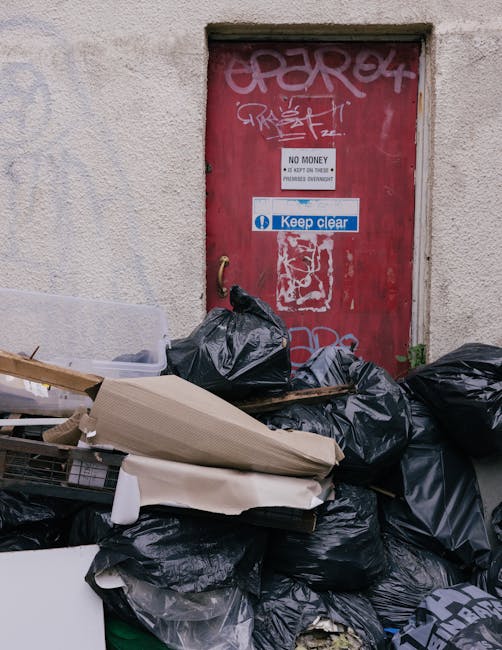
If you are planning a renovation, extension, or full property refresh in Ilford, the messy part is rarely the paint dust itself. It is the practical logistics: where the skip goes, whether a permit is needed, how builders' waste is handled, and what Redbridge rules mean for the job. Permits and skips for Ilford builders cleaning under Redbridge rules can sound like a small admin detail, but in real life it can decide whether the clean-up runs smoothly or turns into a headache. This guide breaks it all down in plain English, so you can make sensible decisions before the dust settles.
And yes, the rules can feel a bit fiddly. That is exactly why a clear plan matters.
Why permits and skips for Ilford builders cleaning under Redbridge rules matter
After builders cleaning is never just about wiping surfaces. The site often still has rubble, plaster dust, packaging, broken tiles, old fixings, timber offcuts, and the occasional surprise item tucked behind a radiator. Before a cleaner can really get stuck in, that waste has to go somewhere. If it is not sorted properly, the tidy-up stage becomes slower, more expensive, and a lot less pleasant.
In Redbridge, as in most London boroughs, skips on the public highway usually need to be managed carefully. That may mean a permit, controlled placement, safety markings, and a sensible collection schedule. Even when the skip sits on private land, the choice of size, access route, and loading method still affects the cleaning plan. If you get this right early, the whole project feels calmer. If you get it wrong, you may face delays, neighbour complaints, access issues, or a skip that ends up half-full of the wrong stuff. Not ideal.
There is also the trust factor. Homeowners, landlords, and contractors want to know that debris is being handled responsibly. A clean site is one thing; a compliant site is better. If you already use a professional cleaning company, you will usually notice that the best teams think about waste removal, access, and safety before they start polishing the final details.
How permits and skips for Ilford builders cleaning under Redbridge rules works
Let's keep this simple. A skip is a temporary container used for builders' waste. If it sits entirely on private property, you often avoid a highway permit, though you still need to make sure it can be placed safely and collected without damaging drives, paths, or paving. If the skip has to go on the road, pavement, or another public space, a permit is usually the key step. The exact process depends on the location, the size of the skip, the type of waste, and how long it will remain in place.
For builders cleaning, the skip is usually just one part of the wider clean-up plan. You may need:
- a skip for heavy rubble and general construction waste
- bags or tubs for lighter debris and dustier items
- separate handling for reusable materials
- a final deep clean once the waste is removed
That sequencing matters. A cleaner cannot do a proper finish if dust keeps drifting out from under stacked boards or half-sorted materials. It is a bit like trying to mop while someone keeps walking mud through the room. You can do it, but you will be repeating yourself all afternoon.
If the clean-up is part of a wider property refresh, services such as deep cleaning or one-off cleaning are often a sensible follow-on after the skip has been removed and the heavy waste is gone.
Key benefits and practical advantages
When permits and skip placement are planned properly, the benefits show up everywhere: fewer delays, cleaner access, less risk, and a better result at the end of the job. That sounds obvious, but in practice it is where many projects slip.
- Cleaner workflow: waste is removed in the right order, so cleaning teams can work methodically.
- Lower risk of disruption: a permitted and correctly placed skip is less likely to cause complaints or access problems.
- Better safety: less loose debris lying around means fewer trip hazards and fewer sharp surprises.
- More accurate quoting: when waste handling is planned, labour and collection costs are easier to estimate.
- Better final finish: a proper builders clean works best after the site is cleared.
There is a real comfort in seeing a site go from chaotic to controlled. By late afternoon, when the light is fading and the dust is finally settling, you want a clear path from waste removal to cleaning, not a last-minute scramble for extra bags.
For landlords and managing agents, it also helps protect the property itself. Skips placed without thought can damage paving or block access. A well-managed plan protects the building, the neighbours, and your own schedule.
Who this is for and when it makes sense
This topic matters for a surprisingly wide group of people. It is not only for builders, to be fair. Anyone overseeing post-renovation or post-refurbishment work in Ilford should care about it.
- Homeowners finishing a kitchen, bathroom, loft, or extension project
- Landlords preparing a property for new tenants after upgrades
- Letting agents coordinating turnaround between works and occupancy
- Builders and trades needing a clear waste strategy before the clean-down
- Commercial occupiers dealing with office improvements or shopfit work
It makes sense whenever the job creates enough waste that ordinary bin collection will not be enough. A few bags of packaging may be manageable. But once you are dealing with plaster, timber, tile offcuts, or damaged fittings, a skip becomes far more practical. If the scope includes commercial space, pairing waste planning with office cleaning or office cleaners can make the handover feel much smoother.
A lot of people assume skip planning is a job for later. In reality, the earlier you think about it, the easier the rest of the project becomes. Bit annoying to plan in advance? Maybe. Worth it? Absolutely.
Step-by-step guidance
Here is a practical way to approach permits and skips for Ilford builders cleaning under Redbridge rules without overcomplicating it.
- Assess the waste volume. Walk through the site and decide what truly needs removal. Separate heavy rubble from lighter dust and packaging.
- Check whether the skip can go on private land. A driveway, forecourt, or yard may remove the need for a highway permit, provided access is safe and practical.
- Confirm access for delivery and collection. Measure gates, paths, overhanging trees, parked cars, and turning space. A skip lorry needs room. More than people expect, often.
- Plan the waste mix. Not every item should go in the same container. Hazardous materials, sharp waste, and oversized items may need separate handling.
- Schedule the cleaning after the skip is placed or removed. The final clean works best once the bulk waste is gone and the site is stable.
- Use a structured builders clean. Start high, then move lower: dusting, scraping, vacuuming, washing, finishing.
- Do a last safety check. Look for nails, screws, broken glass, slippery residue, and trip hazards before sign-off.
If the site is awkward or particularly dusty, a team offering after builders cleaning is usually better placed to sequence the work correctly. They know that the clean-up is not just about appearances; it is about getting the property properly ready again.
Expert summary: the smoothest projects do not treat the skip as an afterthought. They treat waste removal, access, and final cleaning as one connected process. That is where time is saved.
Expert tips for better results
In our experience, the difference between a decent cleanup and a genuinely good one often comes down to small decisions made early. Nothing flashy. Just practical judgement.
- Keep a dust path in mind. If workers are still carrying debris through finished areas, expect extra cleaning time later.
- Use sheets or protection on cleaner surfaces. Fresh flooring, paint, or fixtures can be marked more easily than people think.
- Do not overload the skip. Overfilled skips are awkward, unsafe, and can delay collection.
- Sort reusable items from waste early. Once mixed in, recovery is messy and slow.
- Allow time for dust to settle. A site that looks "almost done" at midday can still release dust by late afternoon.
- Match the clean to the material. Different surfaces need different methods. Hard floors, glass, fittings, and soft furnishings all behave differently.
If carpets, rugs, or upholstery have picked up fine dust during the works, it can help to add specialist follow-up cleaning. Services like carpet cleaning, rug cleaning, and upholstery cleaning are often the finishing touch people forget. Then they notice it immediately when they don't do it. Funny how that works.
Common mistakes to avoid
A few avoidable mistakes come up again and again on builders' jobs. They are usually simple, but they cost time.
- Assuming a road skip needs no permit. That is the big one. Always check before placement.
- Ordering the wrong skip size. Too small means extra collections; too large can be awkward for the site.
- Leaving waste sorting until the end. It slows down the clean and makes compliance harder.
- Ignoring access constraints. A skip that cannot be delivered safely will become a problem very quickly.
- Starting cleaning before the site is ready. Dust, rubble, and moisture can undo the work almost immediately.
- Forgetting final sweep-throughs. Tiny fixings and glass fragments are easy to miss and unpleasant to step on.
Another common issue is trying to use domestic cleaning methods on builders' mess. A regular tidy-up is not the same as post-construction work. For a proper finish, it is worth using services designed for heavier residue, such as house cleaning or domestic cleaning where appropriate, and then stepping up to a more intensive clean when the site demands it.
Tools, resources and recommendations
You do not need a huge toolkit, but the right basics make the job more controlled. For builders cleaning and skip management, useful items often include:
- heavy-duty rubble sacks
- sturdy gloves and eye protection
- dust sheets and floor protection
- HEPA-style vacuum equipment for fine dust
- scrapers and safe blades for dried material
- microfibre cloths for final finishing
- spill pads or absorbent materials where needed
For planning, keep your project notes simple. A checklist on a phone works fine. Note the waste type, the access route, the skip placement plan, and the sequence for cleaning. Simple really, but it saves a lot of back-and-forth.
On the service side, you may also want to review how a provider handles pricing, security, and standards before booking. Pages like pricing and quotes, payment and security, and insurance and safety can help you judge whether the company feels organised and trustworthy.
If sustainability matters for your project, look for sensible waste-reduction thinking as well. The best practice is not just "throw everything away and hope for the best." It is selective, tidy, and respectful of what can be reused or recycled. That kind of approach also aligns well with a company's recycling and sustainability approach.
Law, compliance, standards, or best practice
When people ask about permits and skips for Ilford builders cleaning under Redbridge rules, they are usually asking two separate questions at once: what is allowed, and what is sensible. The answer to both is that you should work carefully, keep waste contained, and follow local rules on placement, access, and road use.
In the UK, waste duties generally mean you should not dump builders' waste carelessly, mix problematic materials without thought, or leave hazards where people can walk through them. If a skip is placed on public land, the local authority process matters. If waste is being carried away by a contractor, you want confidence that it is handled legally and responsibly. That is especially true on renovation sites where there may be sharp, dusty, or heavy material.
Best practice usually includes:
- keeping waste in a secure container
- making sure the skip does not block emergency access or create danger
- using the correct size and collection schedule
- protecting pedestrians and neighbouring property
- coordinating waste removal with final cleaning rather than treating them as separate worlds
For business premises, the same general principles apply, but the operational pressure is higher. You may need a quicker turnaround and a cleaner finish, especially if staff are returning to the space. In those cases, cleaners who understand post-project conditions can be a very practical choice.
A careful note here: permit handling can vary by location and by the specific setup. If you are unsure, it is better to pause and check than to improvise. That small delay is usually cheaper than fixing the problem later.
Options, methods, or comparison table
There are a few ways to manage builders' waste and cleaning in Ilford. Which one is best depends on access, budget, and how much mess you are dealing with.
| Option | Best for | Pros | Trade-offs |
|---|---|---|---|
| Skip on private land | Homes with a driveway or yard | No highway placement needed; simpler access if space allows | Requires room and safe delivery access |
| Skip on public highway | Properties without off-street space | Convenient for tight urban streets | Usually needs permit planning and careful placement |
| Bagged waste removal | Smaller jobs or limited access | Flexible and easier to stage | Can be slower and less efficient for heavier waste |
| Full after builders clean with waste coordination | Renovations, refurbishments, and extensions | Cleaner handover, better sequencing, less rework | Needs more planning and coordination |
In practical terms, a small bathroom refresh might only need bagged waste plus a short clean. A full kitchen refit? That usually wants a proper skip strategy. Bigger projects, no question, benefit from the more organised route.
Case study or real-world example
Picture a semi-detached property in Ilford after a kitchen refurbishment. There is plaster dust in the hallway, packaging in the dining room, tile offcuts near the rear door, and the old units have already been removed. The homeowner wants the space ready for delivery of appliances by Friday. Classic end-of-project pressure.
The first sensible move is not scrubbing the floor. It is deciding how the waste leaves the site. The team checks access to the driveway, confirms where a skip can sit without blocking neighbours, and separates heavy rubble from lighter waste. Once the skip is in place, the bulky debris goes out first. Only then does cleaning begin in earnest: dust removal from ledges, vacuuming around skirting, washing down surfaces, and a careful final pass through the kitchen and adjacent rooms.
Because the skip plan was handled early, the cleaner does not have to work around a half-finished pile of waste. The fridge installer arrives to a space that feels ready rather than rushed. The room smells clean, the surfaces are free from grit, and the floor no longer crunches underfoot. That last part matters more than people admit.
It is a straightforward example, but a realistic one. Good sequencing turns a stressful handover into a normal Thursday afternoon. Well, as normal as renovation weeks ever get.
Practical checklist
Use this checklist before the builders' waste and final clean are scheduled.
- Confirm whether the skip will sit on private land or public space
- Check the need for a permit if the skip is on the highway
- Measure access for delivery and collection
- Identify the main waste types on site
- Separate reusable items from general builders' waste
- Protect finished surfaces, paths, and doorways
- Book cleaning after the heavy waste is removed or staged correctly
- Allow time for dust to settle before final detailing
- Check for nails, screws, glass, and other sharp fragments
- Make sure the final area is safe and clear for normal use
If you want a smoother overall outcome, it also helps to review the company's service standards. Pages like terms and conditions and about us can give you a feel for how the business operates before you commit.
Conclusion
Permits and skips for Ilford builders cleaning under Redbridge rules are not just admin in the background. They shape the speed, safety, cost, and quality of the whole clean-up. When the skip plan is right, the builders' waste disappears in an orderly way, the cleaners can do a proper final finish, and the property gets back to normal without unnecessary drama.
That is really the goal, isn't it? Not perfection. Just a clean, compliant, calm handover that feels under control.
If you are planning a renovation or post-build tidy-up, think of waste management and cleaning as one connected job. The earlier you line them up, the less you have to chase later. And honestly, that kind of quiet certainty feels good at the end of a long project.
Get a free quote today and see how much you can save.
Frequently Asked Questions
Do I need a permit for a skip in Ilford?
If the skip sits on a public road, pavement, or other highway space, a permit is usually required. If it is placed fully on private land, you may not need one, but access and safety still matter.
Can a skip be used during after builders cleaning?
Yes. In fact, it often helps. A skip lets the team remove heavy waste first, so the cleaning stage can focus on dust, residue, and finishing details rather than bulk debris.
What is the difference between builders cleaning and regular domestic cleaning?
Builders cleaning deals with post-construction mess such as dust, plaster, rubble, and residue. Regular domestic cleaning is lighter and more routine. The two jobs overlap, but they are not the same thing.
How do I know what size skip I need?
Start by estimating the waste volume and type. A small refresh may only need a modest container, while a kitchen or extension project often needs more space. If in doubt, plan conservatively rather than cramming it in.
Can I put all building waste in one skip?
Not always. Some materials need separate handling, and you should avoid mixing waste carelessly. It is better to sort items where possible and follow the waste plan from the start.
What happens if a skip blocks access in Redbridge?
It can create complaints, delays, or safety concerns. A skip should never create avoidable obstruction. Good placement planning prevents most of these problems before they start.
Should cleaning start before the skip is removed?
Sometimes a first-stage clean can begin before removal, but the proper final clean usually works best once the bulk waste is gone. Otherwise dust and debris keep coming back.
Are skip permits the same for homes and businesses?
The general principle is similar, but the practical setup can differ. Commercial sites often need faster turnaround and tighter coordination, especially if staff or customers are nearby.
What if my property has no driveway?
Then you may need to consider a highway skip, subject to permit rules, or a different waste-removal plan. Access on London streets can be tight, so timing and placement become especially important.
How can I keep the final clean from getting ruined by dust?
Use protection on finished surfaces, allow dust to settle, clean in stages, and finish with a careful vacuum and wipe-down. If carpets or upholstery were exposed, a specialist follow-up clean can help too.
Where should I look for a company's safety and quality details?
Look for practical information on insurance, safety, payment, and working standards. Those pages tell you a lot about how organised the company is, and whether they take the job seriously.
Is sustainability relevant to skip and builders cleaning planning?
Yes. Good planning reduces unnecessary waste, supports better sorting, and avoids repeated collections. A sensible approach is usually better for both the property and the environment.